
Saving for a house down payment can feel overwhelming. For many, it’s the biggest financial goal they’ll ever have—and reaching it requires planning, discipline, and smart money management. But with the right approach, it’s entirely achievable, even on a modest income.
This guide breaks down how to set a savings goal, choose the right accounts, manage your budget, and stay motivated while saving up for that dream home. Along the way, personal tips and a handy timeline will keep you on track.
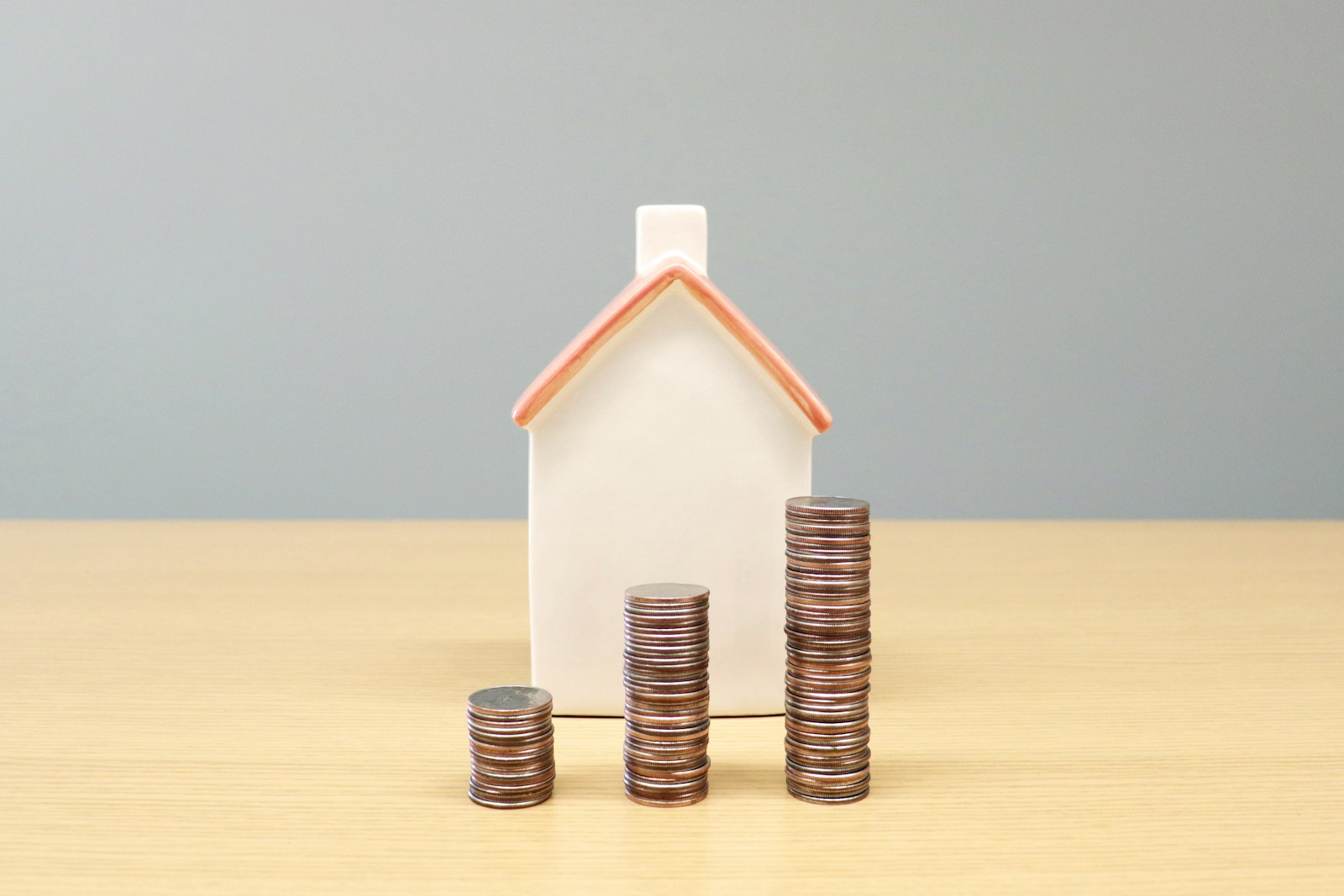
Understanding the Down Payment and How Much You Need
Traditionally, homebuyers aim for a 20% down payment of the home’s price to avoid paying private mortgage insurance (PMI), which adds to your monthly costs. But depending on your mortgage type, down payment requirements can be as low as 3.5% (FHA loans) or 5-10% for conventional loans.
For example, on a $350,000 home:
- 3.5% down = $12,250
- 10% down = $35,000
- 20% down = $70,000
Knowing how much you want to save helps set a clear target and timeline.
Step 1: Calculate Your Savings Goal and Timeline
Start by deciding when you want to buy a home—whether that’s in 1 year or 5 years. The longer your timeline, the more time your savings have to grow.
Use this formula:Monthly Savings=Down Payment GoalNumber of MonthsMonthly Savings=Number of MonthsDown Payment Goal
If you want $35,000 in 3 years (36 months), you’ll need to save about $972 per month.
Step 2: Create a Dedicated Savings Account
Open a separate high-yield savings account dedicated solely for your down payment. Separate accounts reduce the temptation to spend and often earn better interest than regular savings.
Consider:
- High-Yield Savings Accounts: Offer liquidity and 4%-5% APY as of 2025.
- Certificates of Deposit (CDs): Offer higher rates but require locking funds for a fixed term. Good for money you won’t need immediately.
- Money Market Funds: Cash-like investments with slightly higher returns, but some risk.
Step 3: Build a Realistic Budget
Track monthly income and expenses using budgeting apps or spreadsheets. Identify areas where you can cut back to funnel more money toward your down payment:
- Reduce dining out or entertainment expenses.
- Limit subscription services temporarily.
- Shop smarter with grocery store sales and use coupons.
- Refinance or shop for cheaper insurance plans.
Step 4: Automate Your Savings
Set up automatic transfers from your paycheck or checking account to your down payment fund. Pay yourself first by treating the savings like a monthly bill to ensure consistent growth.
Step 5: Increase Income & Use Windfalls
Look for side gigs, freelance work, or overtime hours to boost savings. Also, allocate tax refunds, bonuses, or monetary gifts directly to your down payment savings.
Step 6: Pay Down Debt
High debt-to-income ratios lower mortgage approval chances. Paying off high-interest debts not only improves credit but can free up more money for savings.
Step 7: Explore First-Time Homebuyer Programs
Check for government or local programs offering down payment assistance, grants, or loans that could lower your savings target.
Timeline & Savings Plan Example
| Time Frame | Goal | Actions | Notes |
|---|---|---|---|
| Months 1-3 | Set goal & open account | Budget, open savings account | Cut non-essential spending |
| Months 4-12 | Build monthly savings habit | Automate transfers, increase income | Apply tax refunds & bonuses directly |
| Months 13-24 | Reduce debt, maximize savings | Focus on debt payments & windfalls | Reassess budget & timeline |
| Months 25-36 | Explore homebuyer programs | Research assistance programs | Start home search and mortgage pre-approval |
FAQs About Saving for a House Down Payment
Q1: Do I have to save 20% down payment to buy a house?
No. While 20% avoids PMI, loans like FHA or VA loans allow lower down payments, sometimes as low as 3.5%. But lower down payments may mean extra monthly costs.
Q2: Where is the best place to save down payment money?
A high-yield savings account is recommended for liquidity and steady, risk-free growth. CDs or money market funds can earn more but may restrict access.
Q3: How can I speed up my down payment savings?
Automate savings, cut discretionary spending, use windfalls like tax refunds, and find side income sources. Pay off high-interest debt to free up cash.
Q4: Should I invest my down payment savings?
Investing could yield higher returns but comes with risk. If your purchase timeline is short (under 3 years), safer accounts are preferred to avoid market losses.
Q5: What if I receive a bonus or tax refund?
Put part or all of any windfall directly into your down payment fund to accelerate savings.
Personal Tips From Savers
- Start with a small, achievable monthly savings amount and increase gradually.
- Use budgeting apps like Mint or YNAB to stay aware of spending patterns.
- Visualize your progress with charts to stay motivated.
- Avoid dipping into your down payment fund for other expenses.
- Celebrate small milestones like every $5,000 saved to keep morale high.
Call to Action: Take Control of Your Homeownership Dream Today!
Buying a home is one of the most exciting financial milestones. The key to success lies in a clear plan, steady savings, and smart management. Start now by determining your target, opening a dedicated savings account, and automating your contributions.
For more detailed strategies, budgeting tools, and personal support, visit dollar.savewithrupee.com. Your new home awaits—let’s make it a reality together!
🇺🇸 Smarter Money Tips for Americans
Discover our guides on credit, loans, insurance, and savings designed for the U.S.
💡 Explore Guides