
Rising grocery prices and busy lifestyles make it challenging for many Americans to eat healthy without overspending. But with smart meal planning, it’s possible to enjoy nutritious, delicious meals every day—and save money while doing it.
This guide shares proven strategies for budgeting your groceries, creating easy meal plans, and stretching your food dollars further—all tailored for U.S. households in 2025.
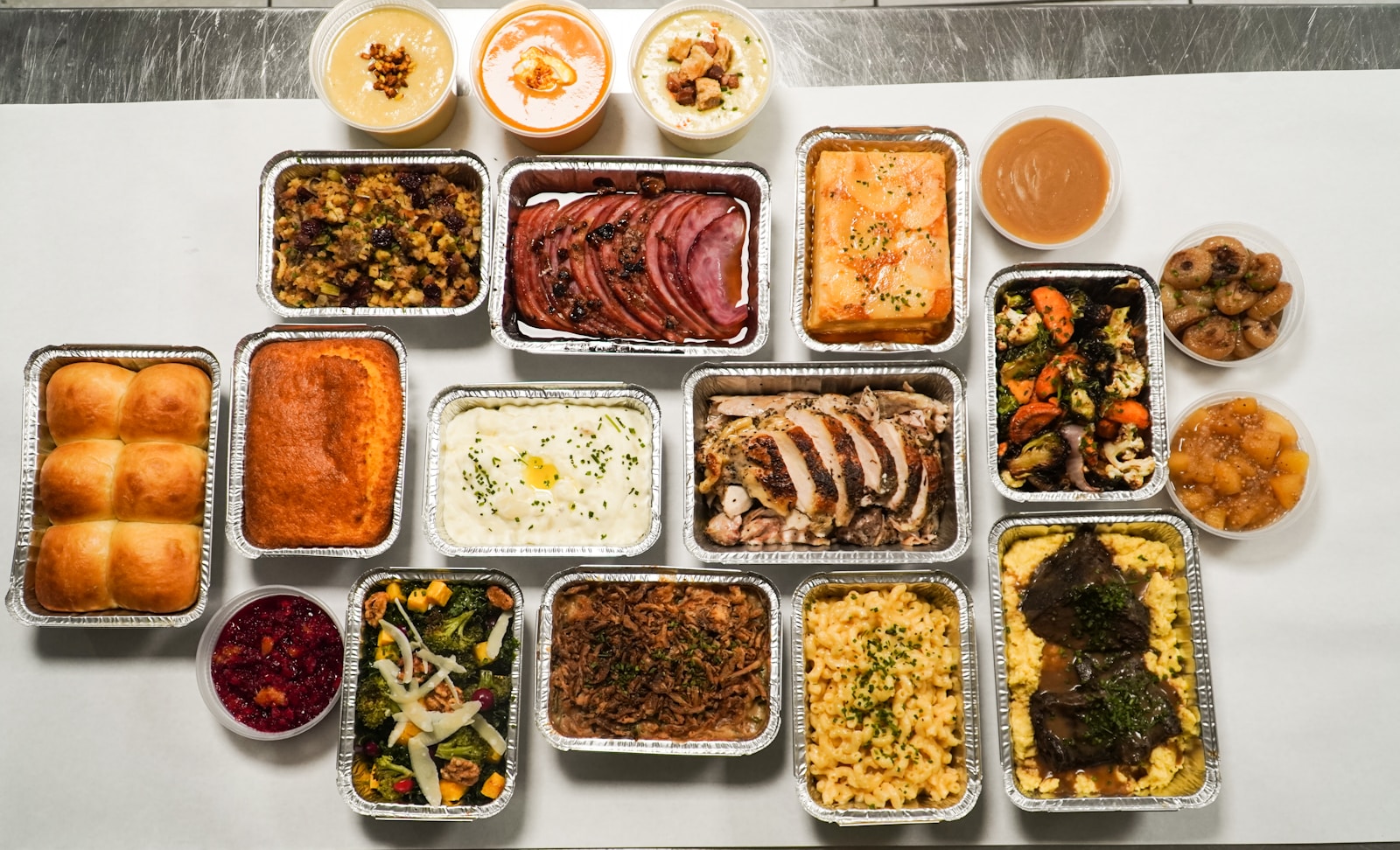
Real Life Story: Lisa Martinez from Houston, Texas — Making Healthy Meals on a Tight Budget
Lisa Martinez, a 35-year-old single mom in Houston, Texas, struggled with juggling work, kids, and rising grocery bills. After attending a community workshop on meal planning, Lisa began using weekly grocery ads, planning meals around sales, and prepping food in bulk.
She now spends about $100 a week feeding her family nutritious meals, down from nearly $150 previously, without sacrificing quality. Lisa’s go-to meals include chili made with beans and seasonal vegetables, and roasted chicken repurposed for tacos and salads.
Her story shows that with a bit of planning and creativity, feeding your family well on a budget is completely achievable.
7 Tips for Budget-Friendly Meal Planning in 2025
1. Set a Weekly or Monthly Food Budget
Track current spending to identify a comfortable yet realistic budget. This anchors your planning and helps avoid impulse buys.
2. Use Grocery Store Weekly Ads and Coupons
Plan meals around sale items and use store apps or paper coupons for extra savings.
3. Plan Meals Using Affordable Staples
Base meals on inexpensive ingredients like rice, beans, eggs, seasonal vegetables, and whole chicken. These items pack nutrition without high cost.
4. Cook in Batches and Use Leftovers
Prepare larger meals and repurpose leftovers for lunches or other dinners to save time and money.
5. Limit Dining Out and Ready-Made Foods
Cutting back on takeout and convenience foods dramatically reduces food expenses.
6. Buy in Bulk for Non-Perishables
Items like oats, flour, pasta, and canned goods are cheaper in bulk and store well long-term.
7. Use Simple, Nutritious Recipes
Focus on recipes with fewer ingredients and prep steps that suit your schedule. Apps and websites offer countless budget-friendly ideas.
Sample 3-Day Budget Meal Plan Under $30
| Meal | Ingredients | Cost Estimate | Notes |
|---|---|---|---|
| Day 1 Dinner | Black Bean & Sweet Potato Chili | $6 | Uses canned beans, seasonal veggies |
| Day 2 Lunch | Leftover Chili Wraps | $2 | Wrap leftovers in tortillas |
| Day 3 Dinner | Roasted Whole Chicken with Rice | $10 | Chicken used for multiple meals |
| Snacks | Fresh fruit, popcorn | $5 | Healthy, affordable snacks |
| Breakfasts | Oatmeal with bananas | $5 | Inexpensive, filling start to day |
FAQs About Meal Planning on a Budget
Q1: How much can meal planning really save?
Families often save $50 to $150 per week, depending on current habits and how strictly they follow plans.
Q2: Where can I find affordable recipes?
Websites like Budget Bytes, EatingWell, and even YouTube offer tons of low-cost meal ideas.
Q3: Can meal planning help reduce food waste?
Yes, planning helps buy only what you need and use leftovers efficiently to minimize waste.
Q4: How do I stick to my grocery budget?
Make a list before shopping, avoid impulse buys, and consider apps that track spending or alert you to deals.
Q5: What are some good affordable protein sources?
Eggs, beans, canned tuna, whole chickens, and ground turkey offer good nutrition at low cost.
Call to Action: Master Meal Planning and Save Big in 2025
Meal planning on a budget is a skill that pays off in healthier eating and more money in your pocket. Start by setting realistic budgets, using store deals, and incorporating simple staple ingredients.
For meal prep guides, shopping lists, and budget-friendly recipes, visit dollar.savewithrupee.com. Plan smart, eat well, and watch your savings grow.
🇺🇸 Smarter Money Tips for Americans
Discover our guides on credit, loans, insurance, and savings designed for the U.S.
💡 Explore Guides